
The Cross Connection Program safeguards the public potable water supply system from contamination or pollution by isolating potential hazards using approved backflow prevention methods. The program also aims to guarantee the proper functioning of backflow preventer assemblies and ensure compliance with regulatory requirements through testing and inspection.

Working alongside campus partners and local organizations, the university uses Trap, Neuter, and Release (TNR) when dealing with feral cats. The program includes a health checkup and ensures a humane, managed feral cat population on campus. Nuisance wildlife is trapped and released back into the wild, away from university property. Aggressive or distressed animals should always be reported.
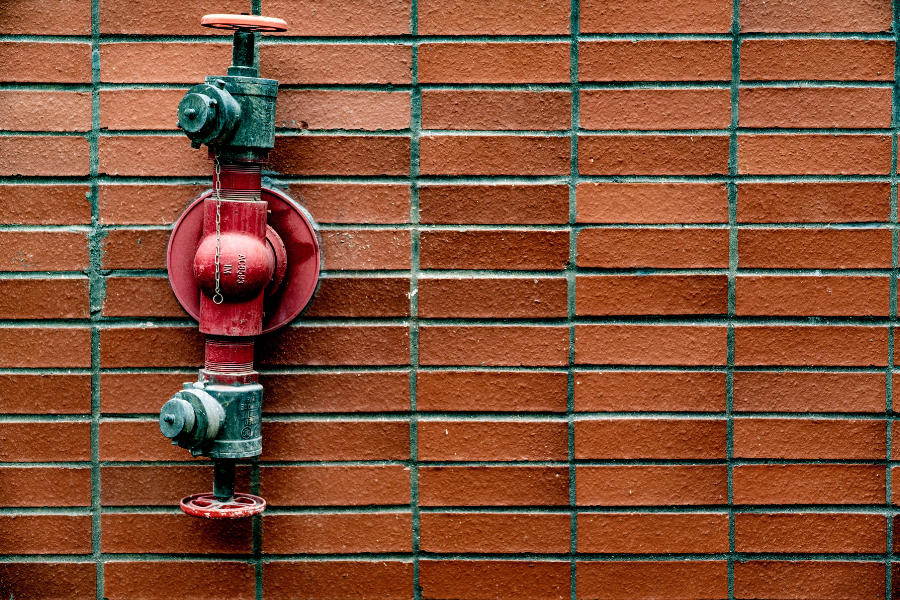
The Fire Hydrant Management Program ensures satisfactory operation and regulatory compliance of hydrants on university property. This is achieved through annual inspection and testing of hydrants and active management of hydrant information in AiM (the university's asset management database). This program does not include providing for new or replacement hydrants associated with construction projects.
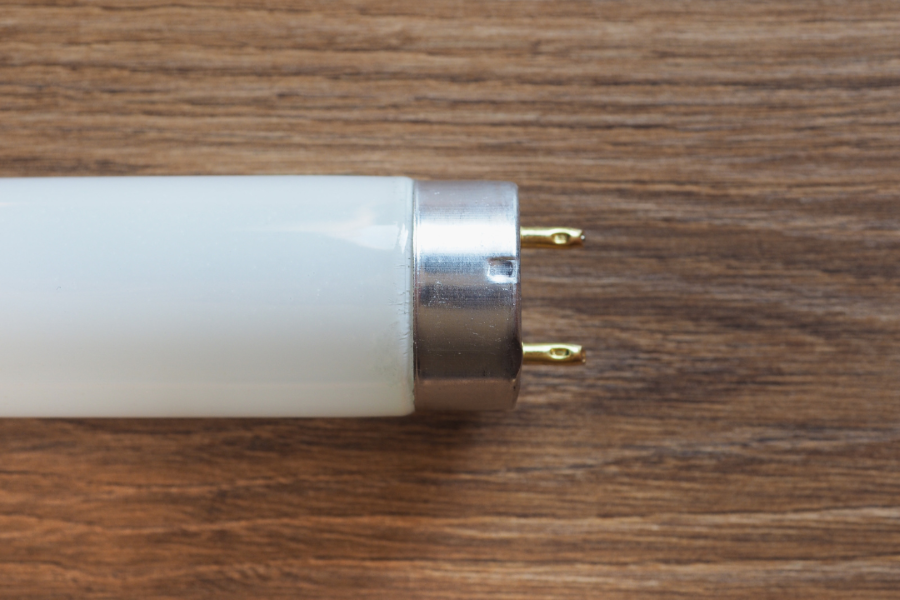
The FSU Fluorescent Bulb & Ballast Disposal Procedures outline how fluorescent bulbs and ballasts should be safely collected, labeled, and disposed of. Maintenance staff are responsible for preparing the bulbs and ballasts for disposal, coordinating pick-ups with a recycling company, and ensuring proper documentation. Environmental Health & Safety oversees compliance with regulations and maintains records for the disposal process.

The Roof Maintenance Program provides guidelines for Facilities Maintenance units on roof repair and maintenance. Proper maintenance can extend the life of a roofing system. The program is intended to repair, restore, and maintain roofs, not to correct design or construction defects. Identified defects will be included in the repair scope, and major repairs will be transferred to Planning, Design & Construction . Roof system restoration will take precedence over non-warrantied repair or replacement processes if the warranty is extended and costs less.

FSU retains refrigerant-related work records for three years, including the addition, removal, recycling, recovery, reclamation, and installing or disposing of refrigerant-containing appliances. This documentation ensures compliance with EPA regulations and the Clean Air Act’s Stratospheric Ozone Protection requirements. FSU employs specific documents to record refrigerant use and prompt EPA reporting requirements. Faculty and staff must submit forms to the Air Resource Manager within three days of maintenance or inspection.