
Where the Wild Things Grow: Native Plants at FSU
Date - 04/24/2026
By Facilities Communications Specialist McKinnon Bell, in collaboration with Horticulture Design Specialist
Jake Hartung.
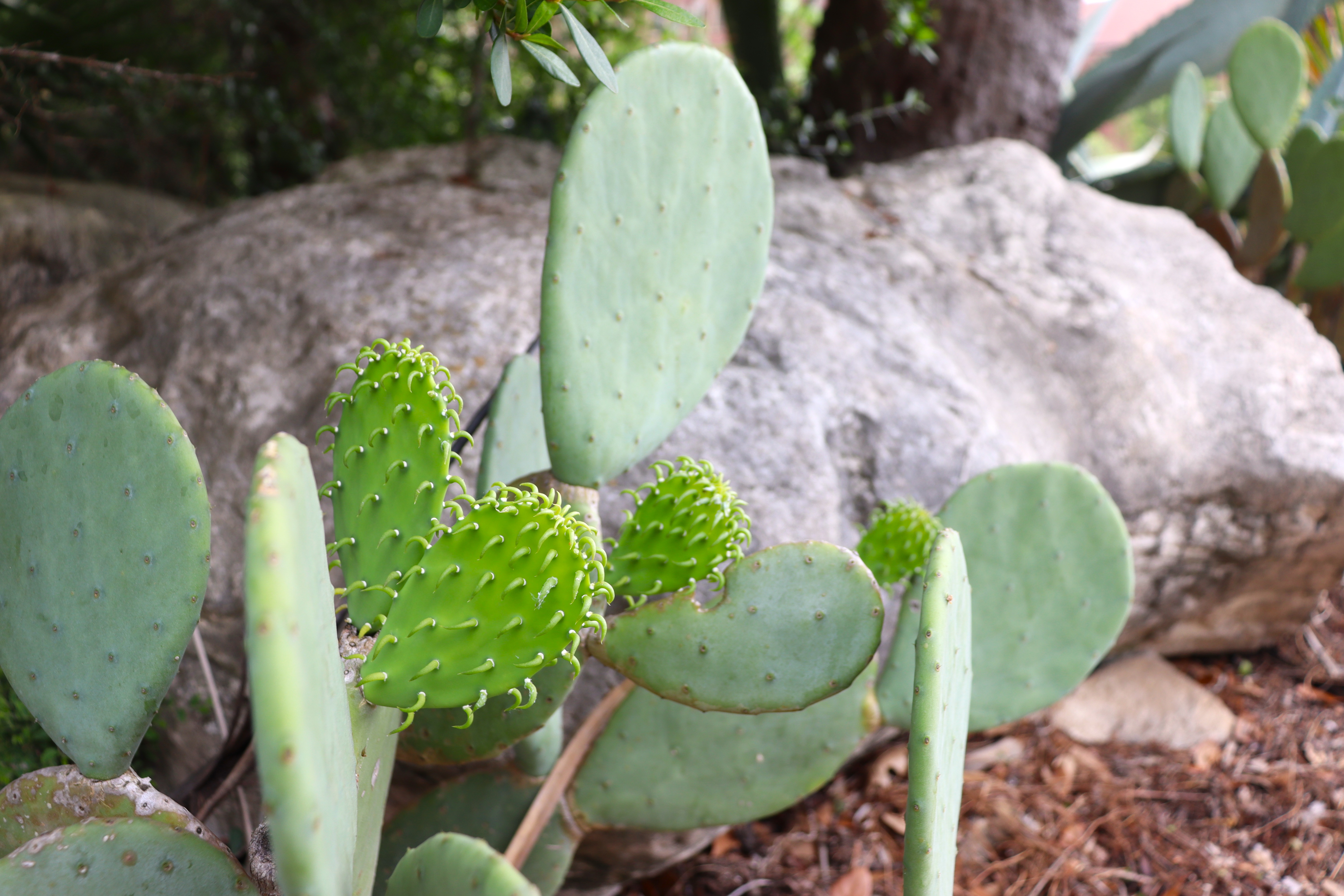
It’s easy to walk across campus every day and not realize the quiet work happening right beneath (and above) our feet. April is Native Plant Month, a time to recognize the species that naturally thrive in our region and the vital role they play in supporting healthy ecosystems. At Florida State University, native plants are thoughtfully incorporated across campus, creating landscapes that are not only beautiful, but also sustainable and ecologically significant.
There are two main native plant gardens on campus that showcase this impact up close. One is located along the sidewalk from Mendenhall B (MMB), heading towards Leach Recreation Center, near the entrance gate by the parking lot. This garden features a variety of keystone species, which are plants that play a critical role in supporting and sustaining the overall health of the ecosystem. In spring, the Hawthorn (also known as Haw or Mayhaw) trees bloom with delicate white flowers, alongside other native species in the garden like Loblolly pine, Walter’s viburnum, Redbud, Red buckeye, Opuntia cactus, Saw palmetto, and Muhly grass. The second garden can be found on the steep hill leading up from the Psychology courtyard, where Loblolly pines, Yaupon hollies, Saw palmetto, and Sand cordgrass create a resilient, native landscape adapted to the terrain.
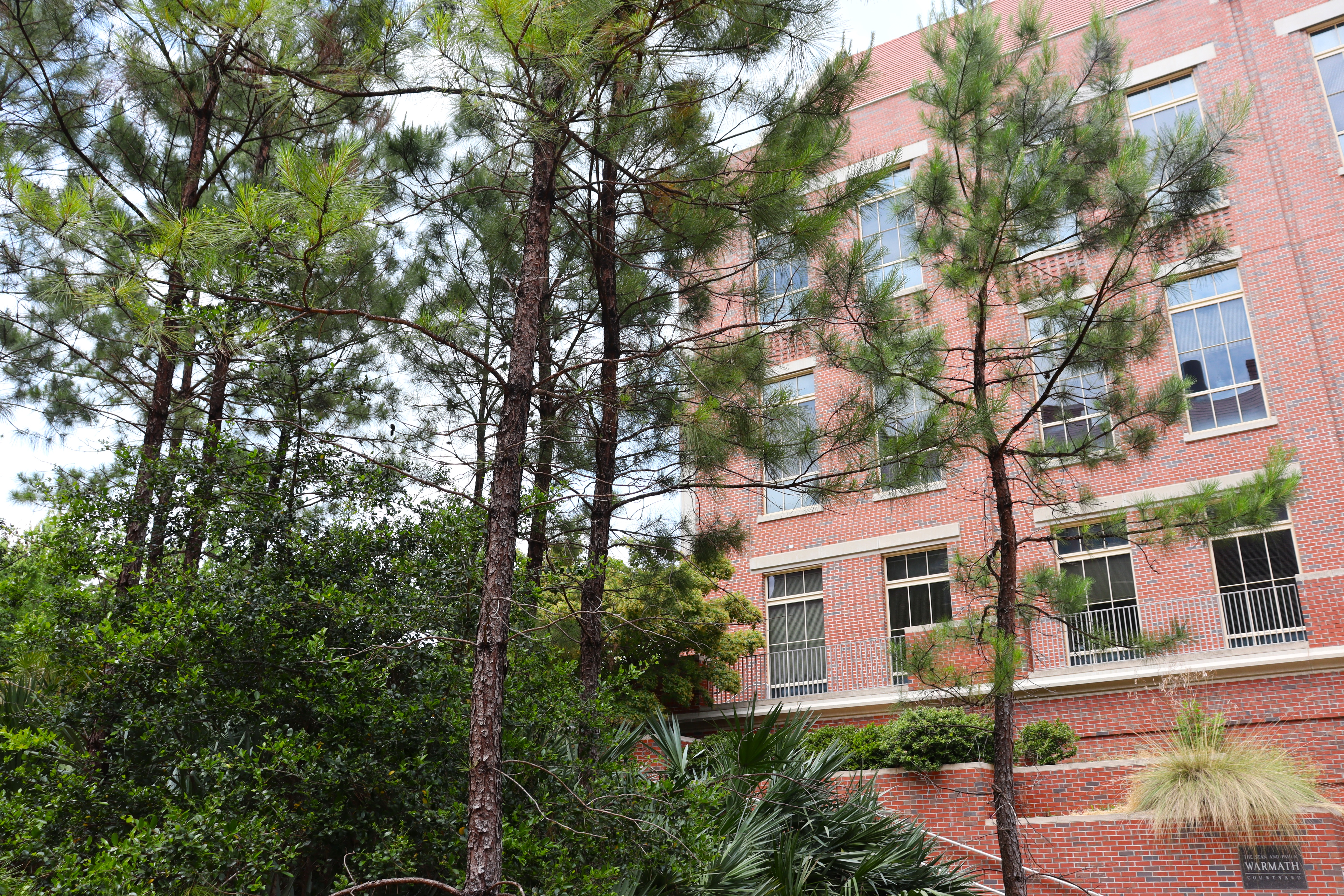
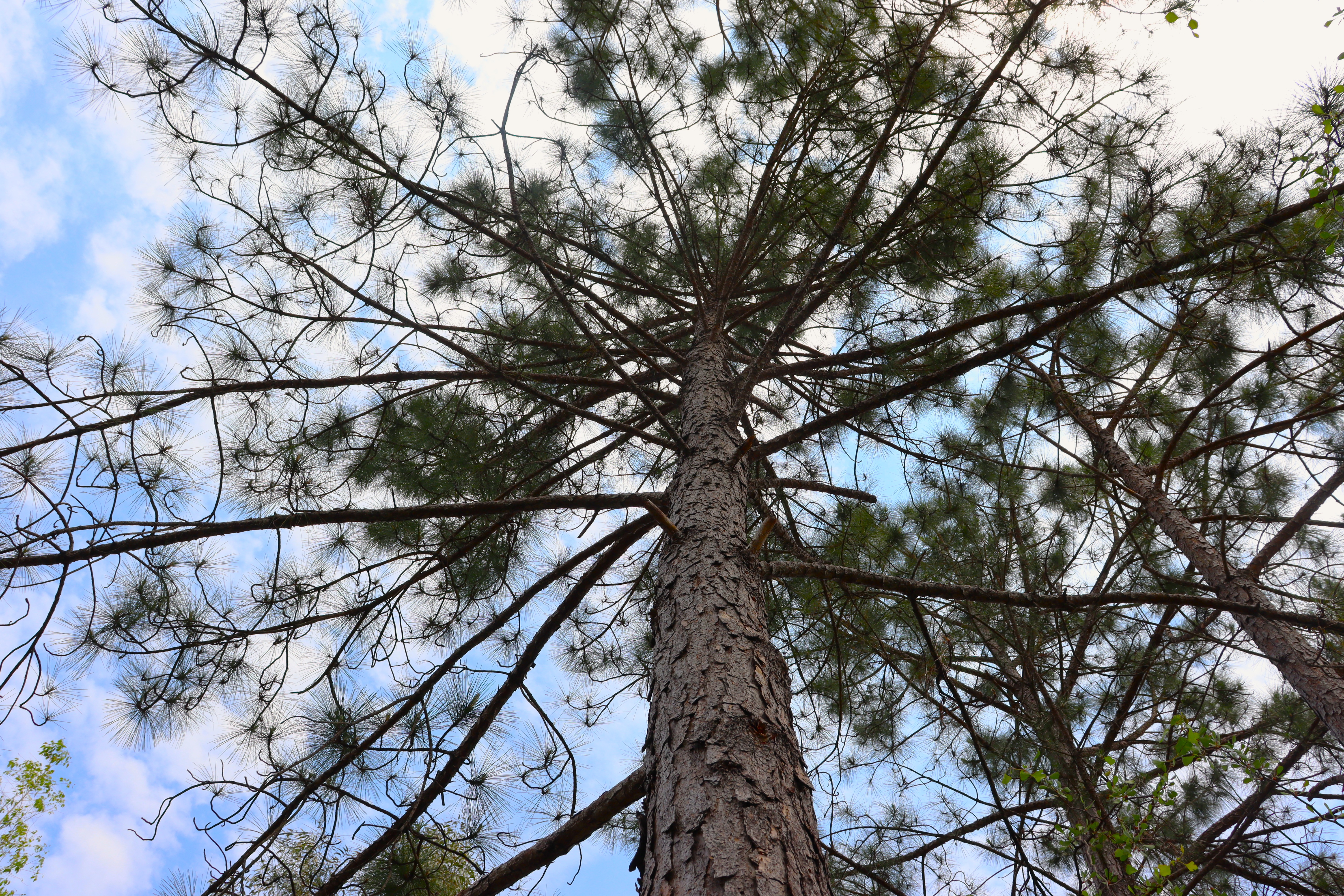
Beyond these dedicated spaces, native plants are integral to FSU’s tree canopy strategy. When trees are lost due to age or storms, they are thoughtfully replaced—often with the same species, especially in the case of long-standing Pecan and Walnut trees—to maintain ecological continuity. Live oaks, the most frequently planted trees on campus, are a key focus as the number one keystone species. Efforts to restore the campus’s pine canopy can be seen between the Chemistry buildings and the track field, where Loblolly and Longleaf pines are being established. Because these trees grow slowly, they are planted at a smaller size to allow their taproots to develop strong, deep foundations for long-term health. These trees may seem ordinary at a glance, but they are quietly supporting complex ecosystems.
Oaks and pines, in particular, are essential to the food web. They host hundreds of species of caterpillars; 395 species on oaks alone in Leon County, and 171 on pines. These caterpillars are a critical food source for birds, including songbirds, hawks, and owls. For example, chickadees require between 6,000 and 9,000 caterpillars to raise just one brood of chicks. Through this process, energy flows from the sun to plants, to insects, and up the food chain to birds and larger wildlife. Without native plants, this system would begin to break down.
Native plants also offer opportunities beyond large landscapes, making it easy for the campus community to bring what they see on FSU’s grounds into their own homes and shared spaces. Even small yards, patios, and balconies can support meaningful native plantings through container gardening. Using a simple “thriller, filler, spiller” design approach, you can create dynamic arrangements that support both beauty and biodiversity in compact spaces. Tall “thrillers” like Goldenrod, Ironweed, or native sunflowers add height and visual interest; mid-sized “fillers” such as Black-eyed Susan, Bluestem grass, or ferns provide structure and fullness; and low-growing “spillers” like frogfruit, violets, or verbena soften edges while also supporting pollinators. Whether planting in containers or directly in the ground, understanding sunlight conditions—from full sun to full shade—is key to helping native plants thrive and ensuring these small-scale gardens are just as impactful as larger campus landscapes.
As we celebrate Native Plant Month, it’s worth taking a closer look at the landscapes around campus. From flowering shrubs to towering oaks and pines, these plants are doing more than enhancing the view; they are sustaining biodiversity, supporting wildlife, and helping create a more resilient environment for everyone.